Toledo Zoo & Aquarium Reptile House
Type of Construction
Design Build
Square Footage
20,442
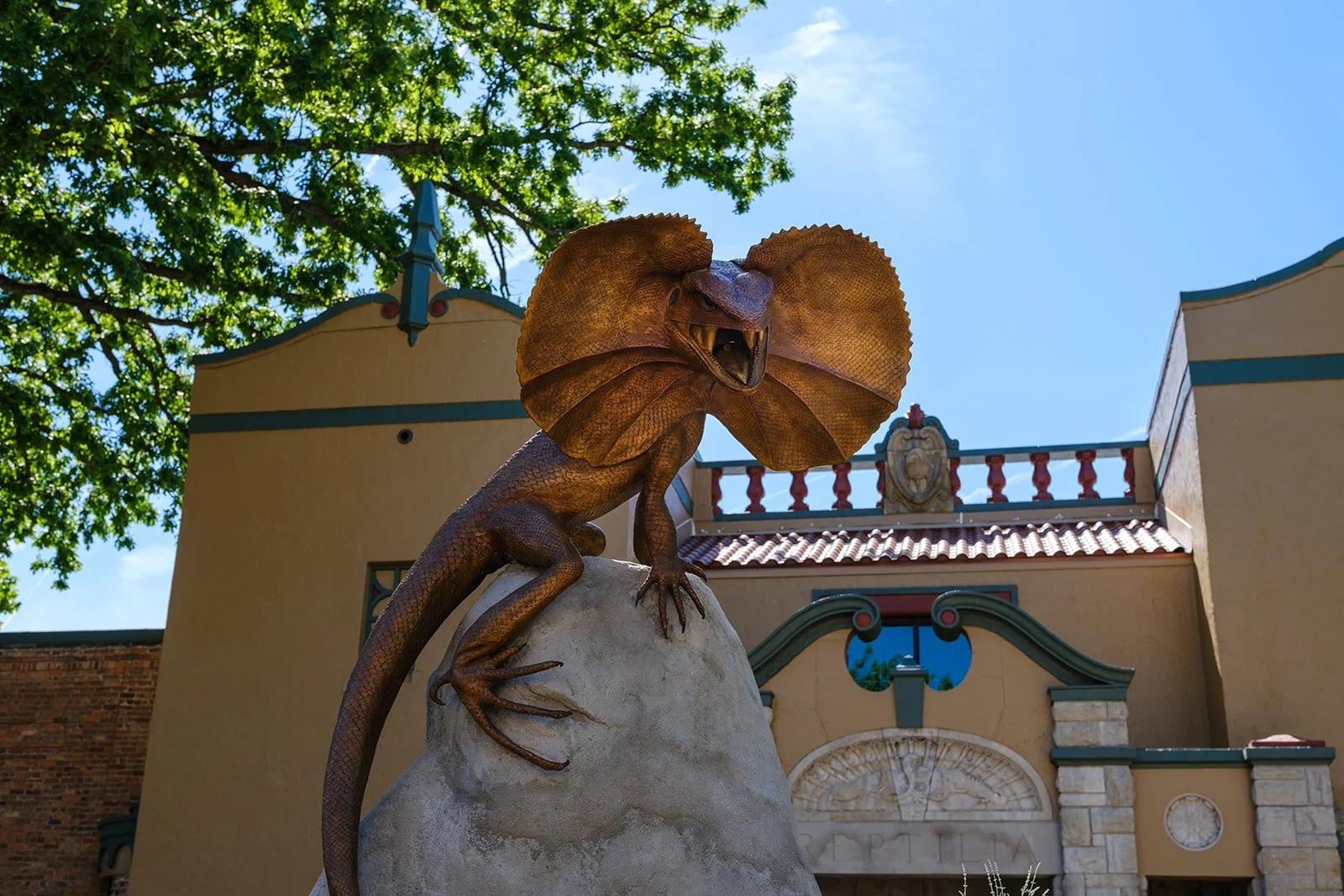
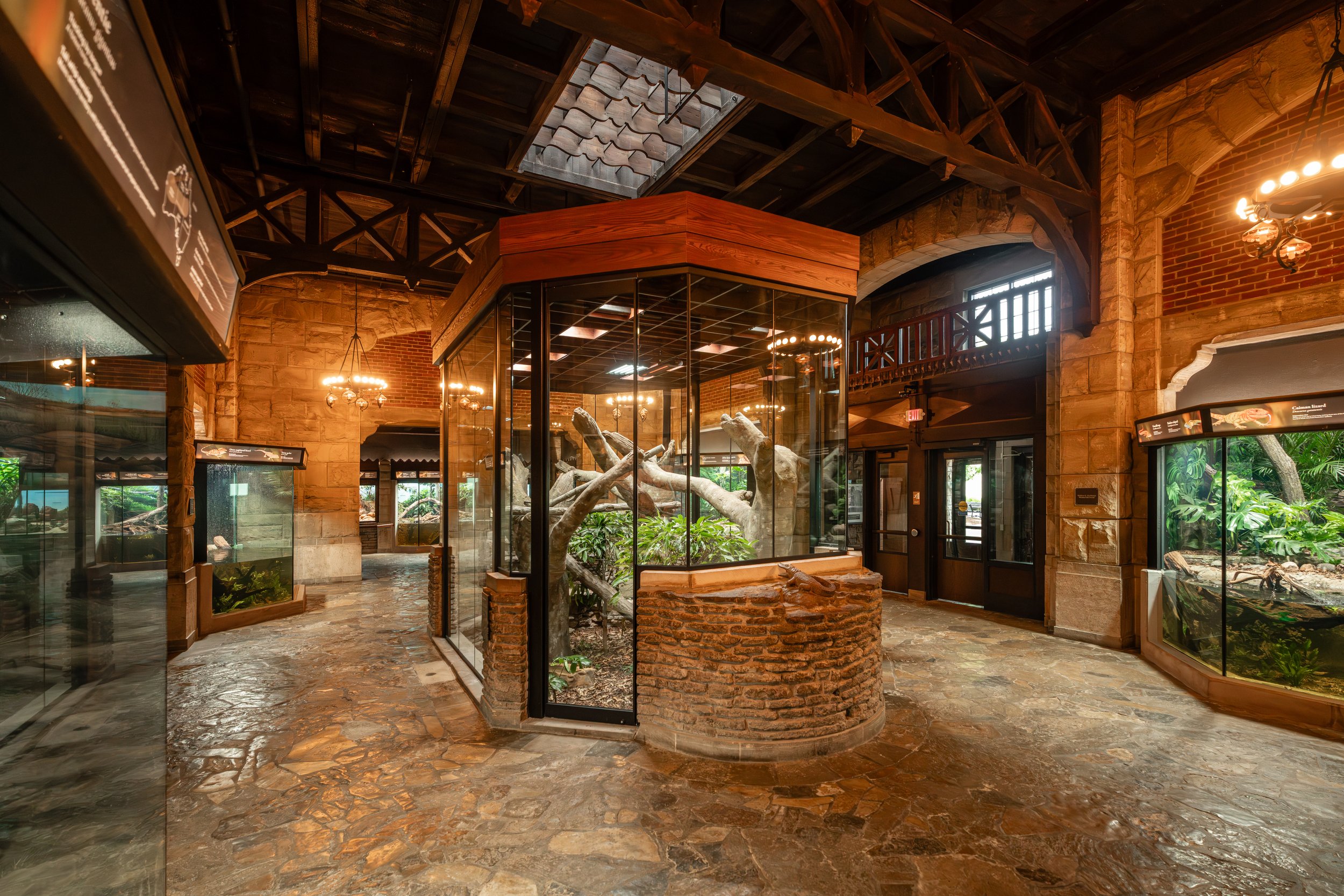
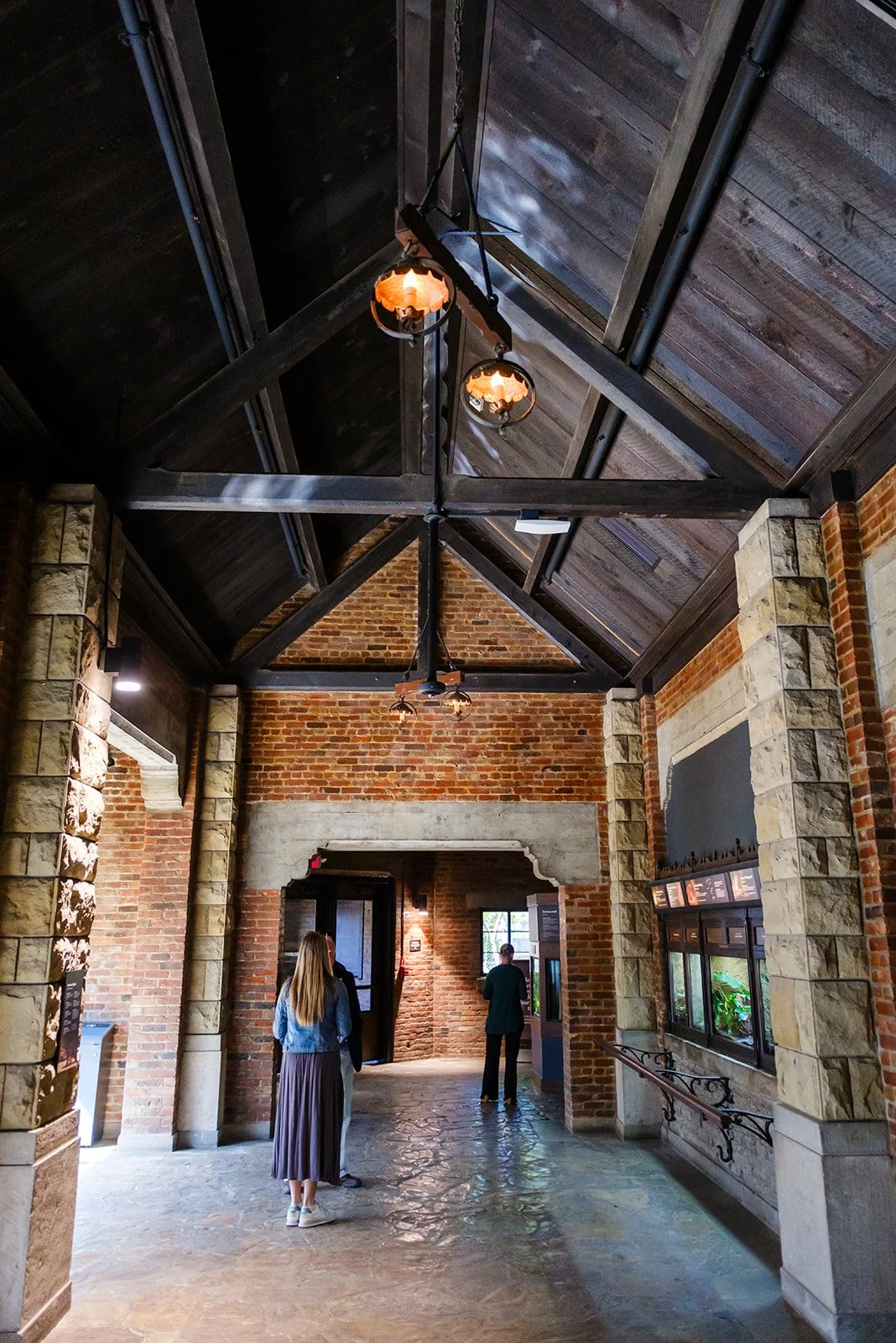
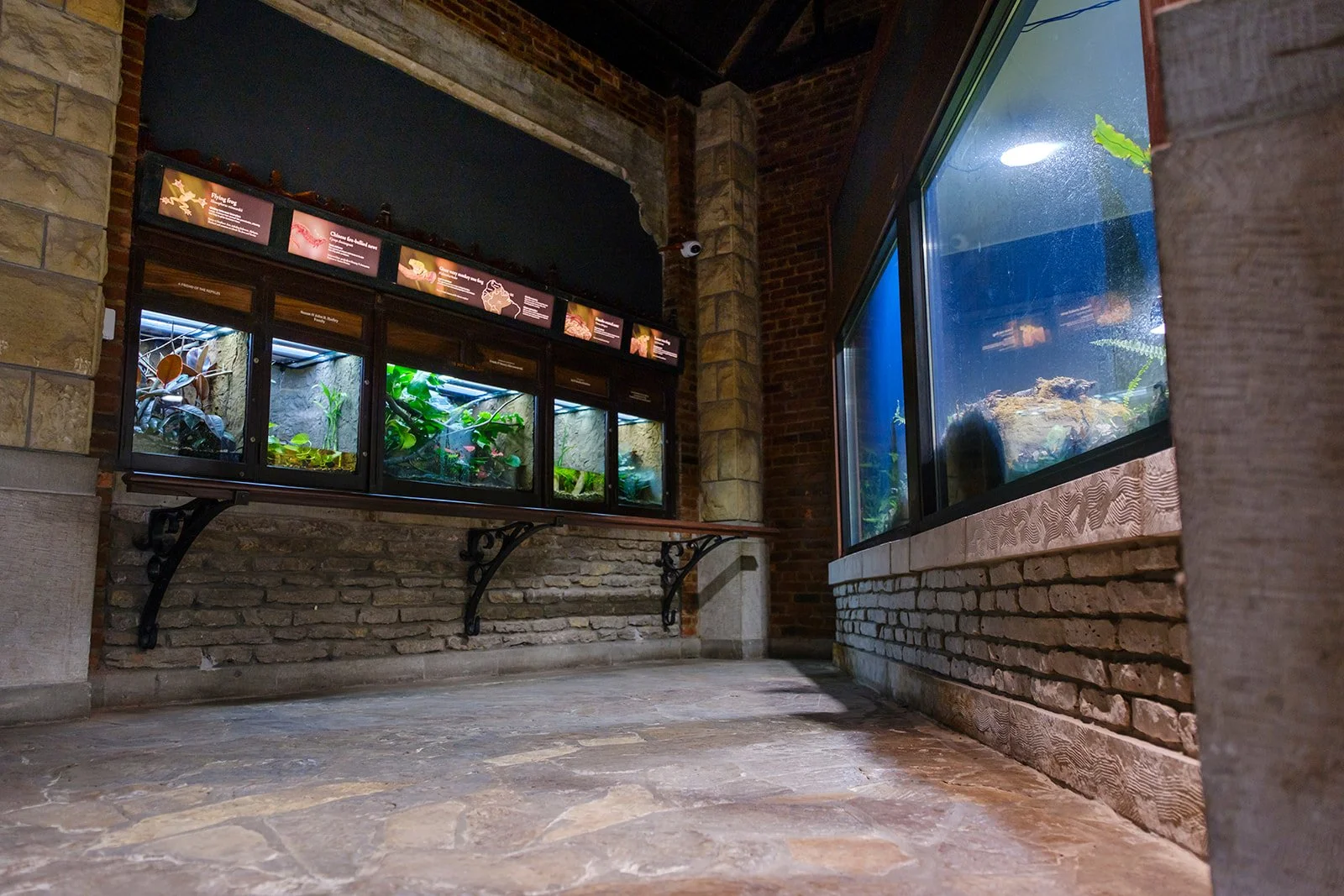
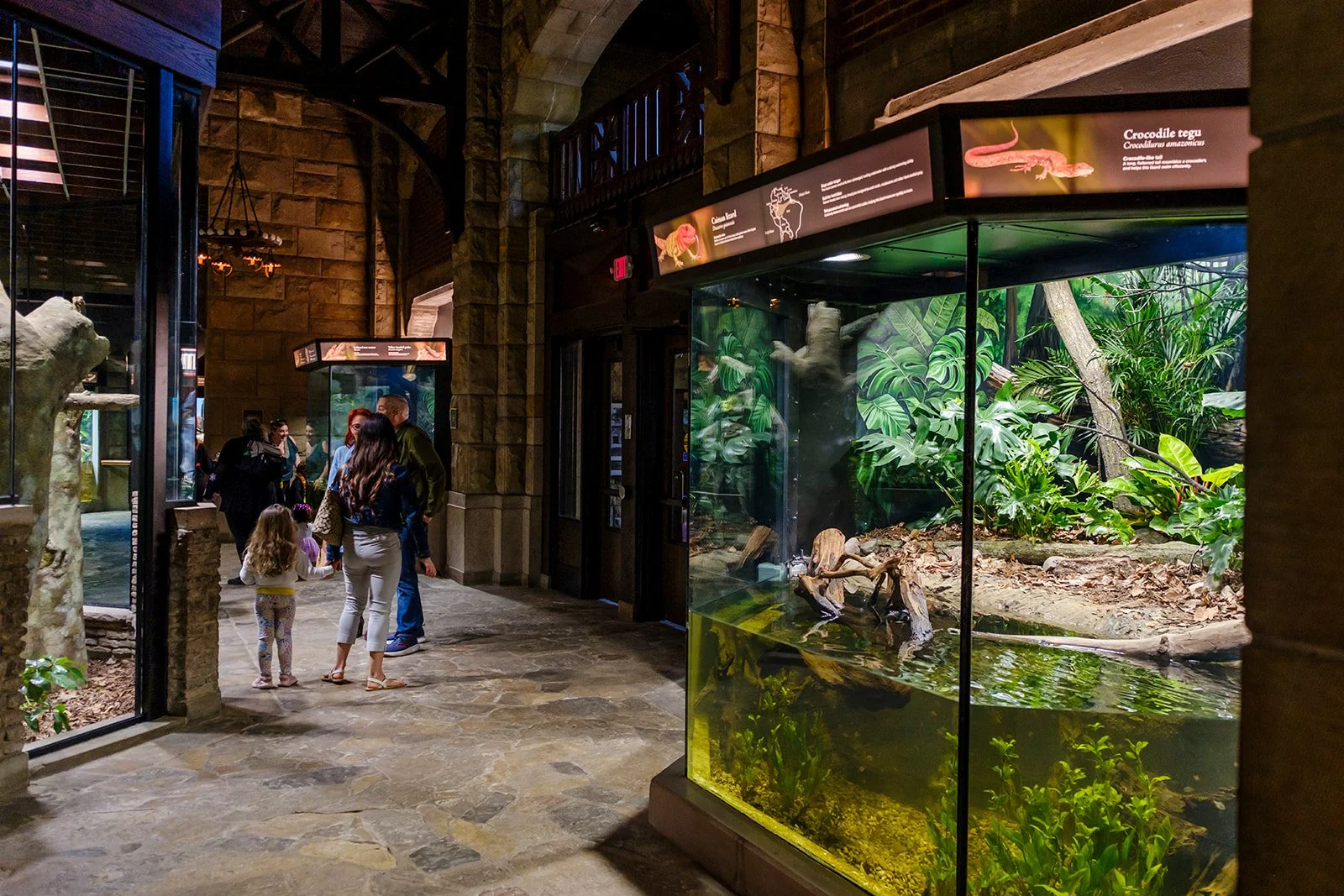
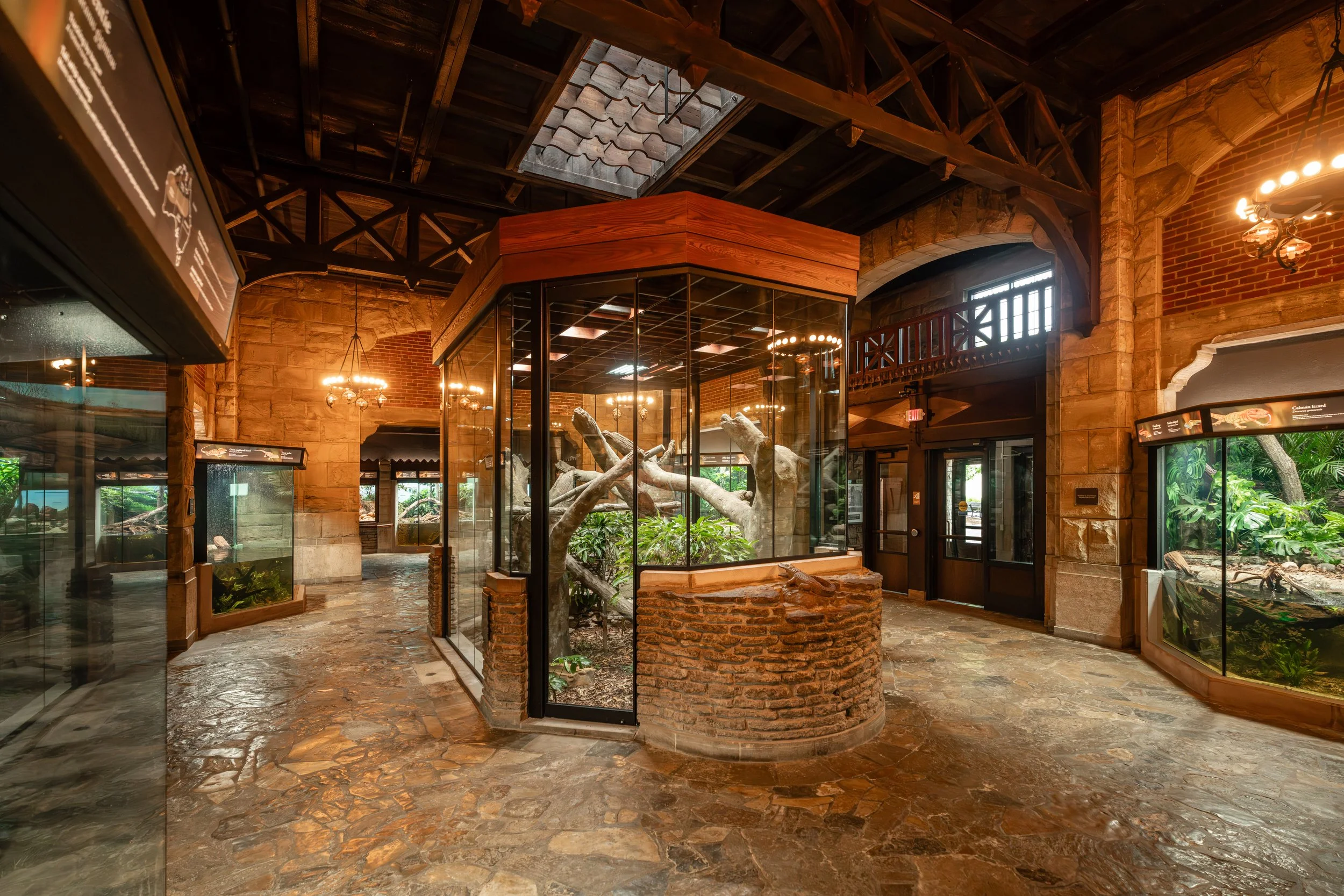
Originally completed in 1934 by the Civil Works Administration, the Toledo Zoo’s Reptile House is one of the Zoo’s most recognizable historic buildings. Constructed entirely by hand using salvaged materials—including brick from abandoned local structures, timber from the Wabash Railroad Roundhouse, and stone from Ohio and Erie Canal locks and piers—the building is a tangible connection to Toledo’s history and its WPA-era legacy. The comprehensive renovation and addition thoughtfully preserve that character while transforming the facility to meet the needs of modern animal care, staff operations, and an increasingly immersive guest experience.
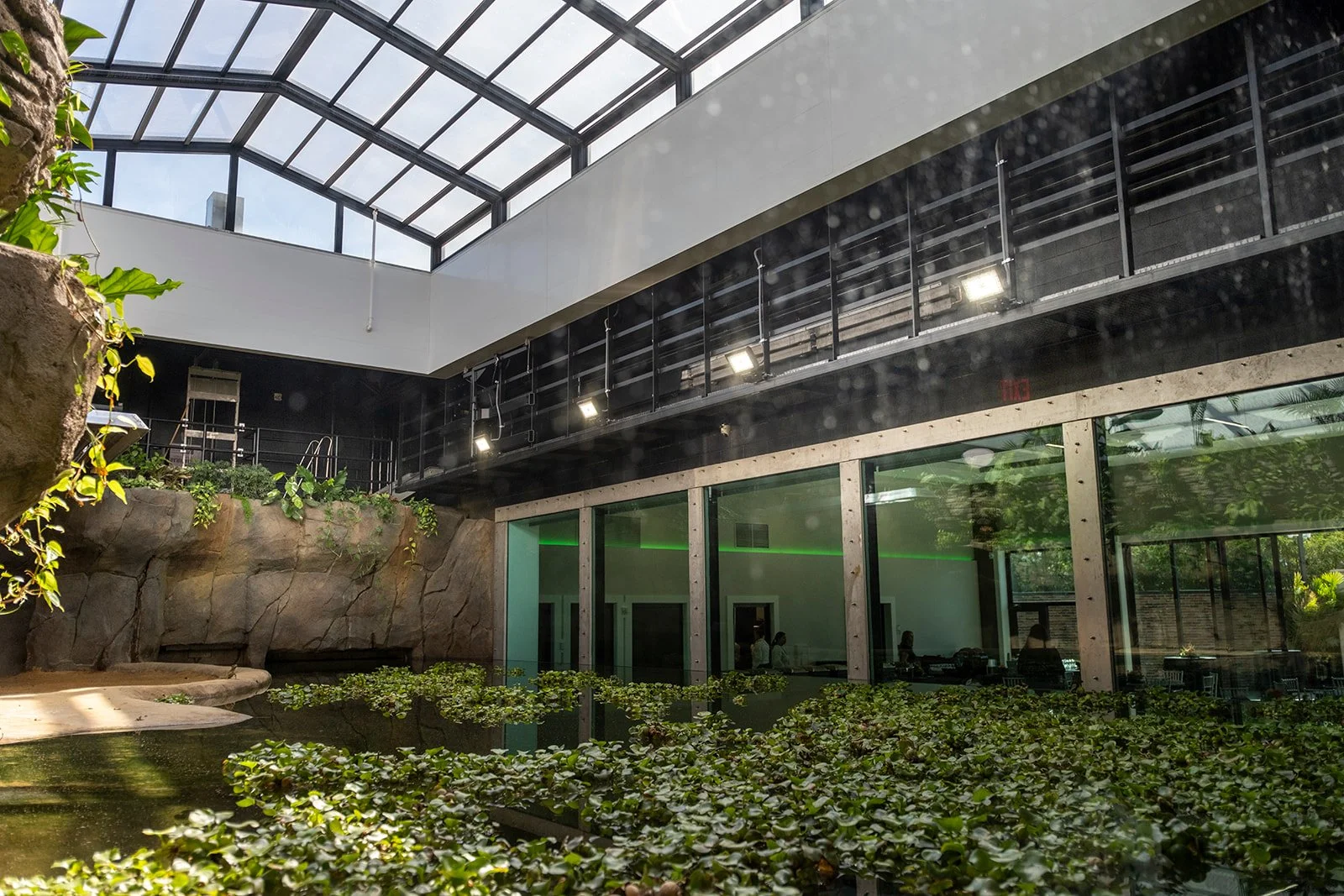
After decades of continuous use, the Reptile House required significant upgrades to both its exhibits and underlying infrastructure. The renovation addressed deteriorated masonry, moisture-related corrosion and wood deterioration, aging electrical and plumbing systems, and outdated mechanical infrastructure. Historic masonry was carefully cleaned, repointed, sealed, and restored, while the existing roof was replaced and new skylights introduced natural daylight into the interior. These improvements not only restore the building’s architectural character but provide the reliable, durable systems necessary to support the facility for decades to come.
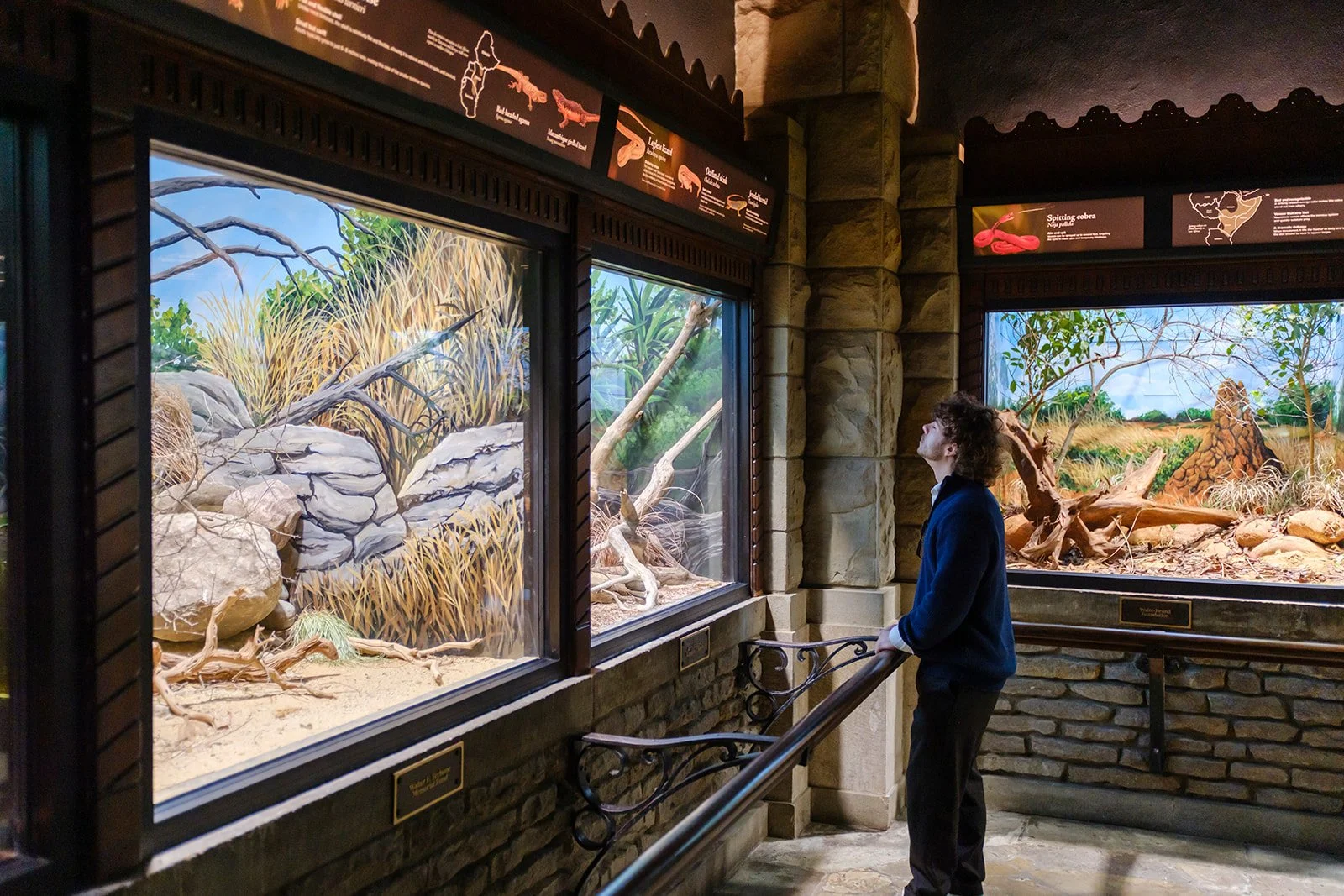
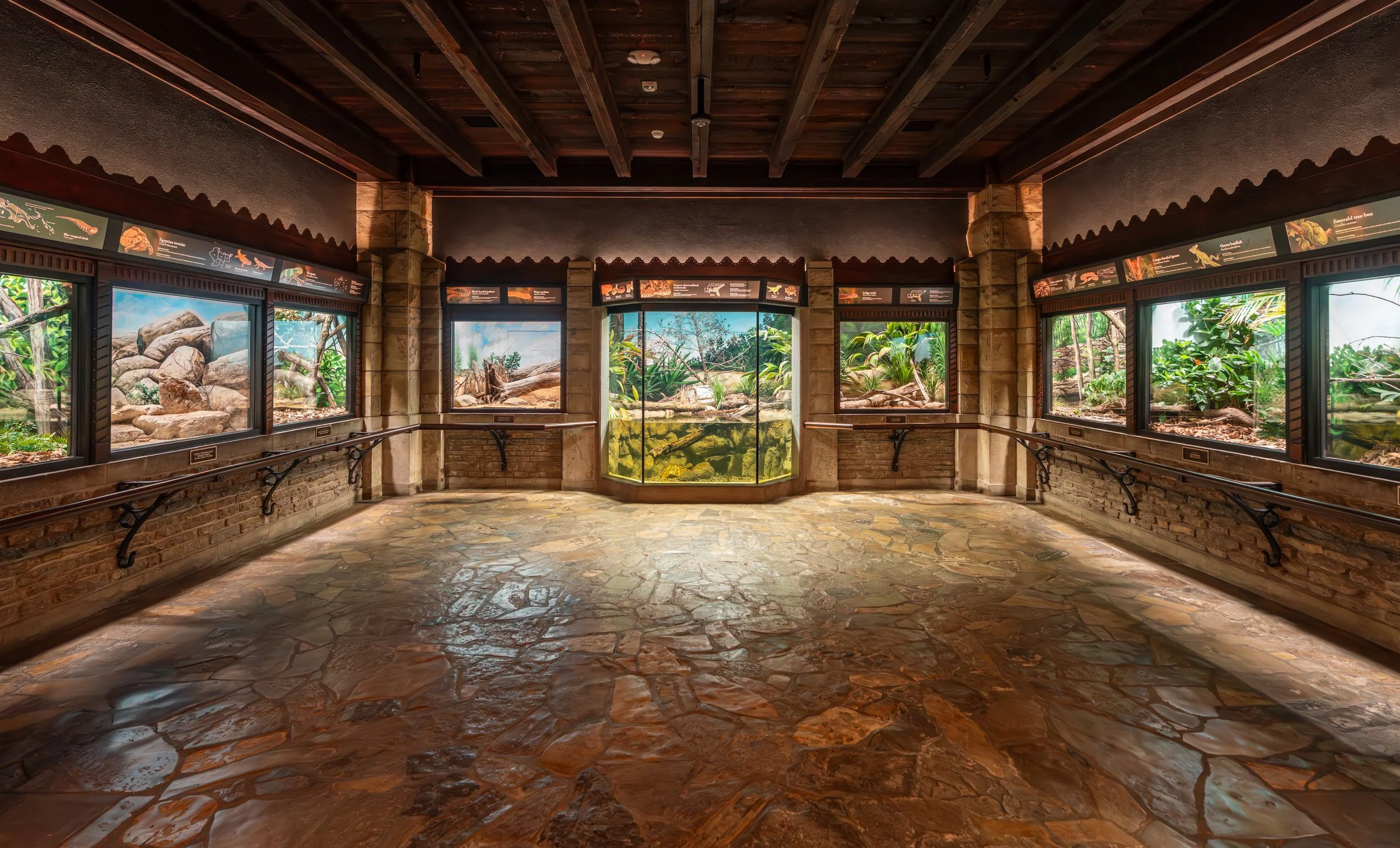
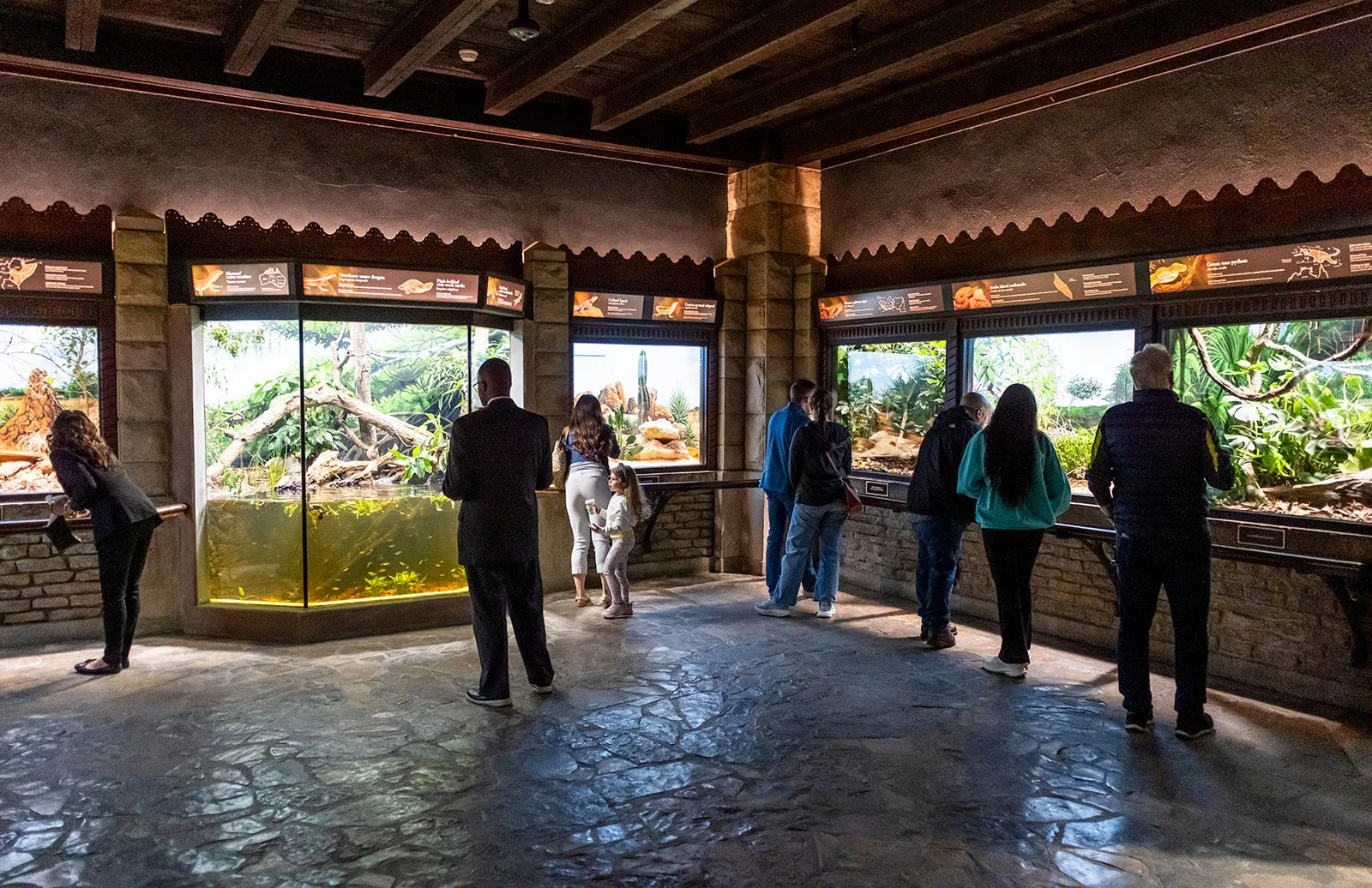
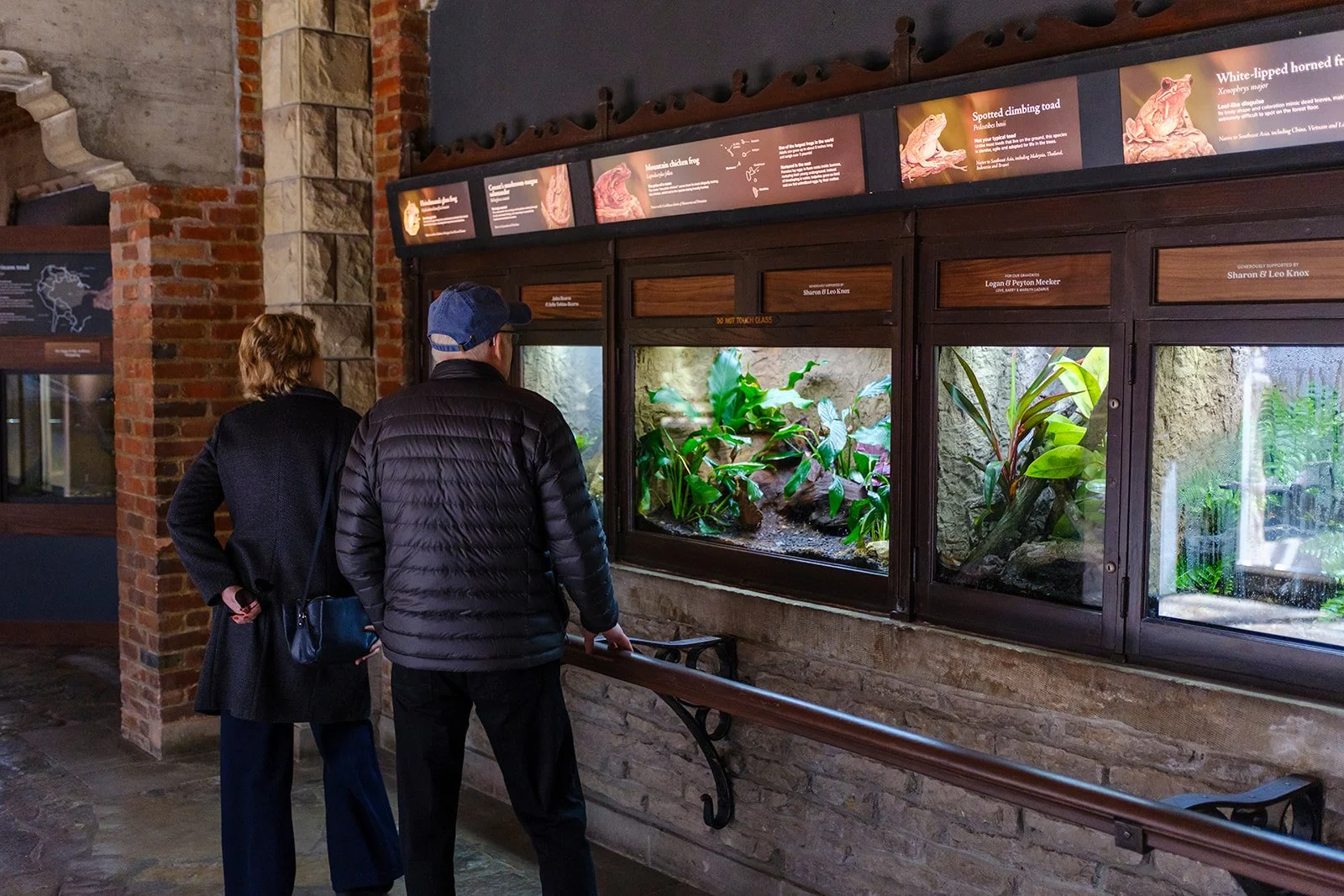
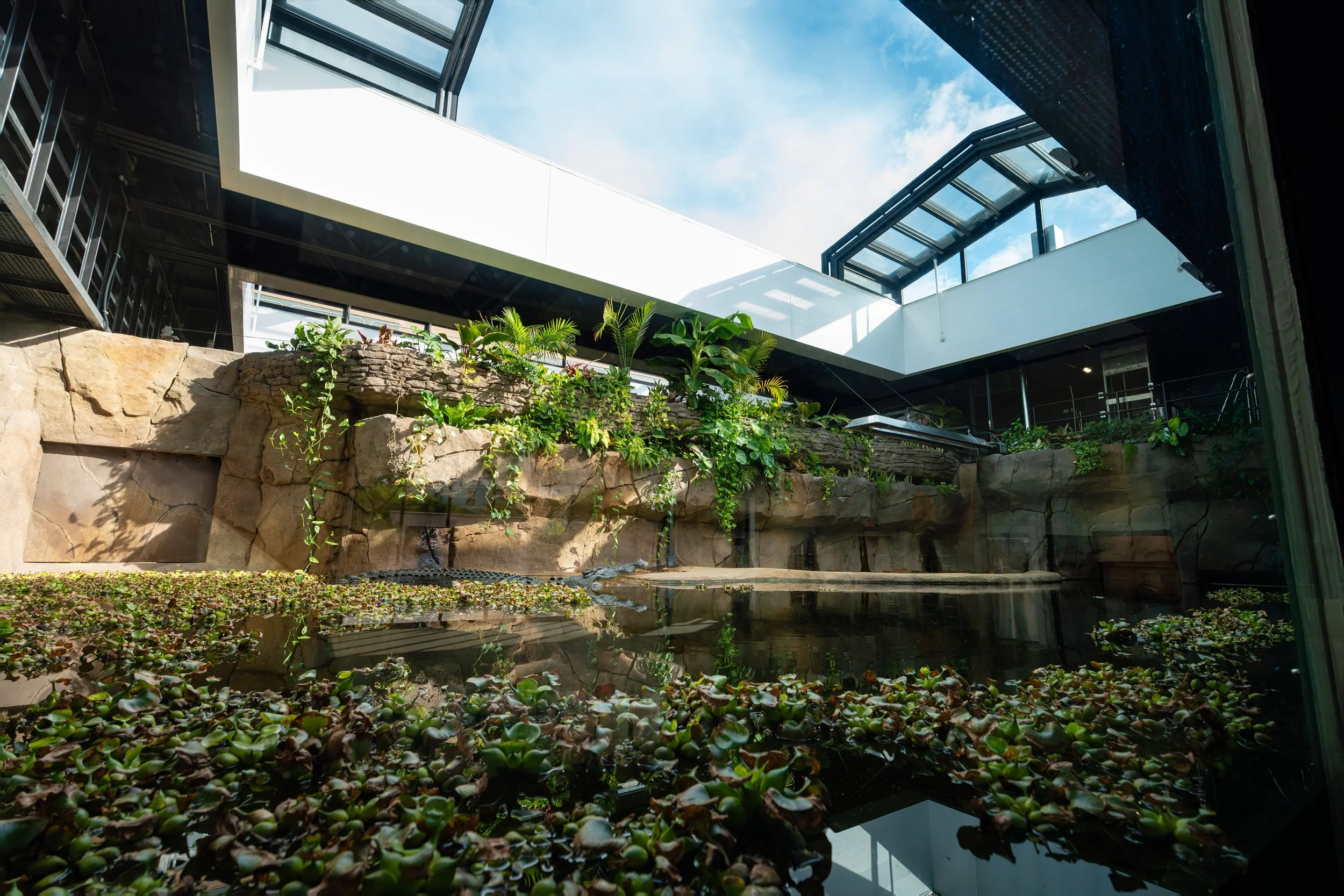
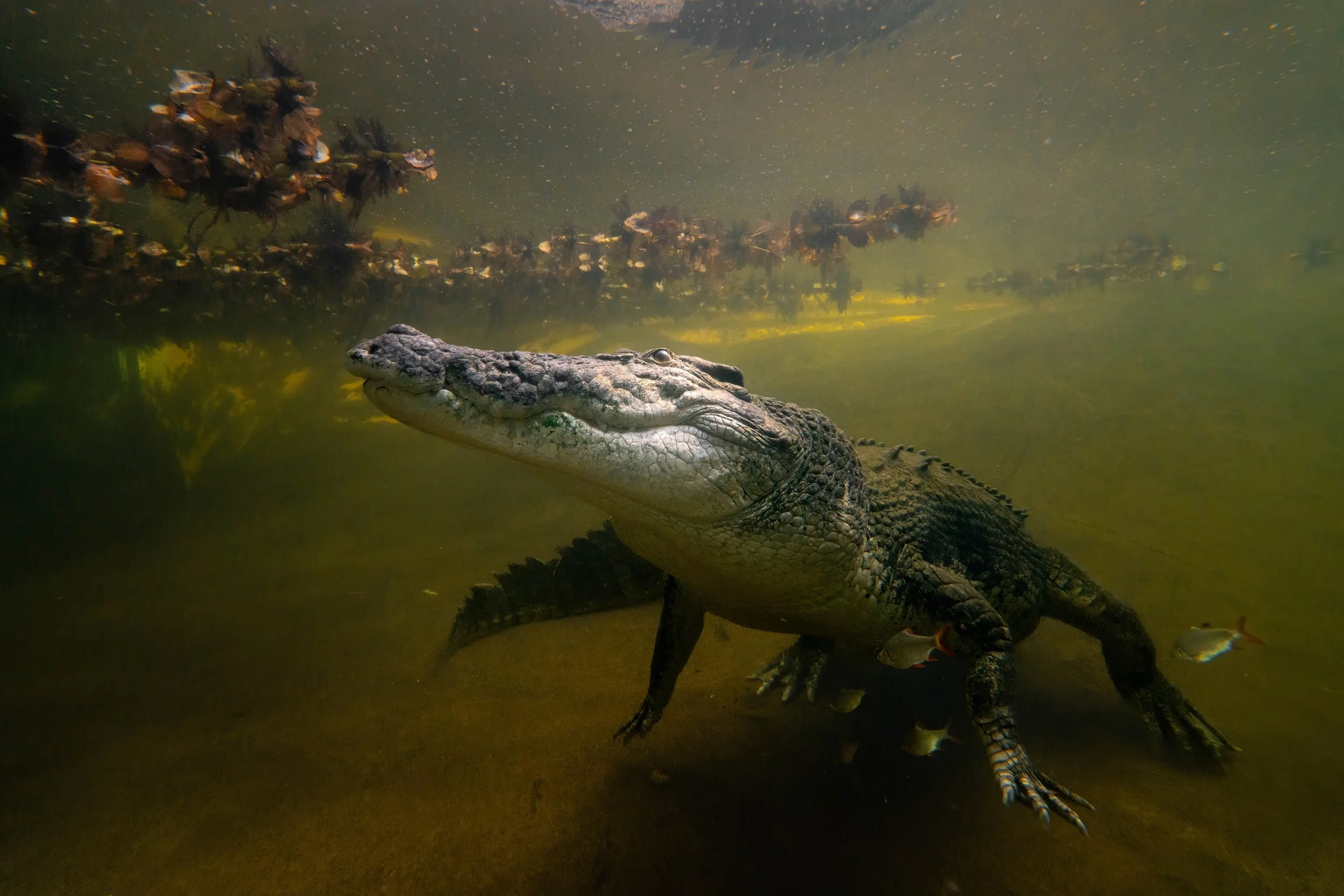
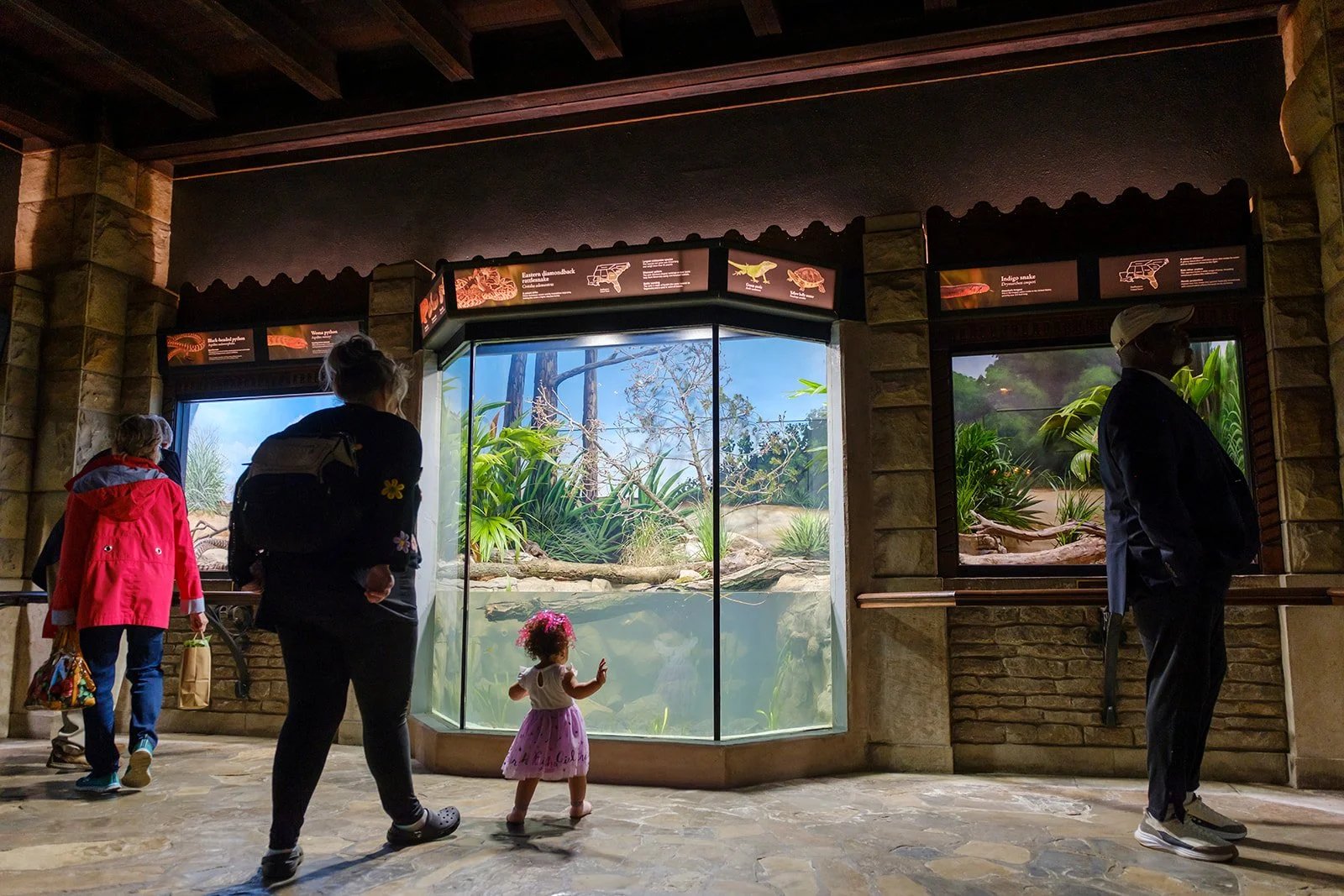
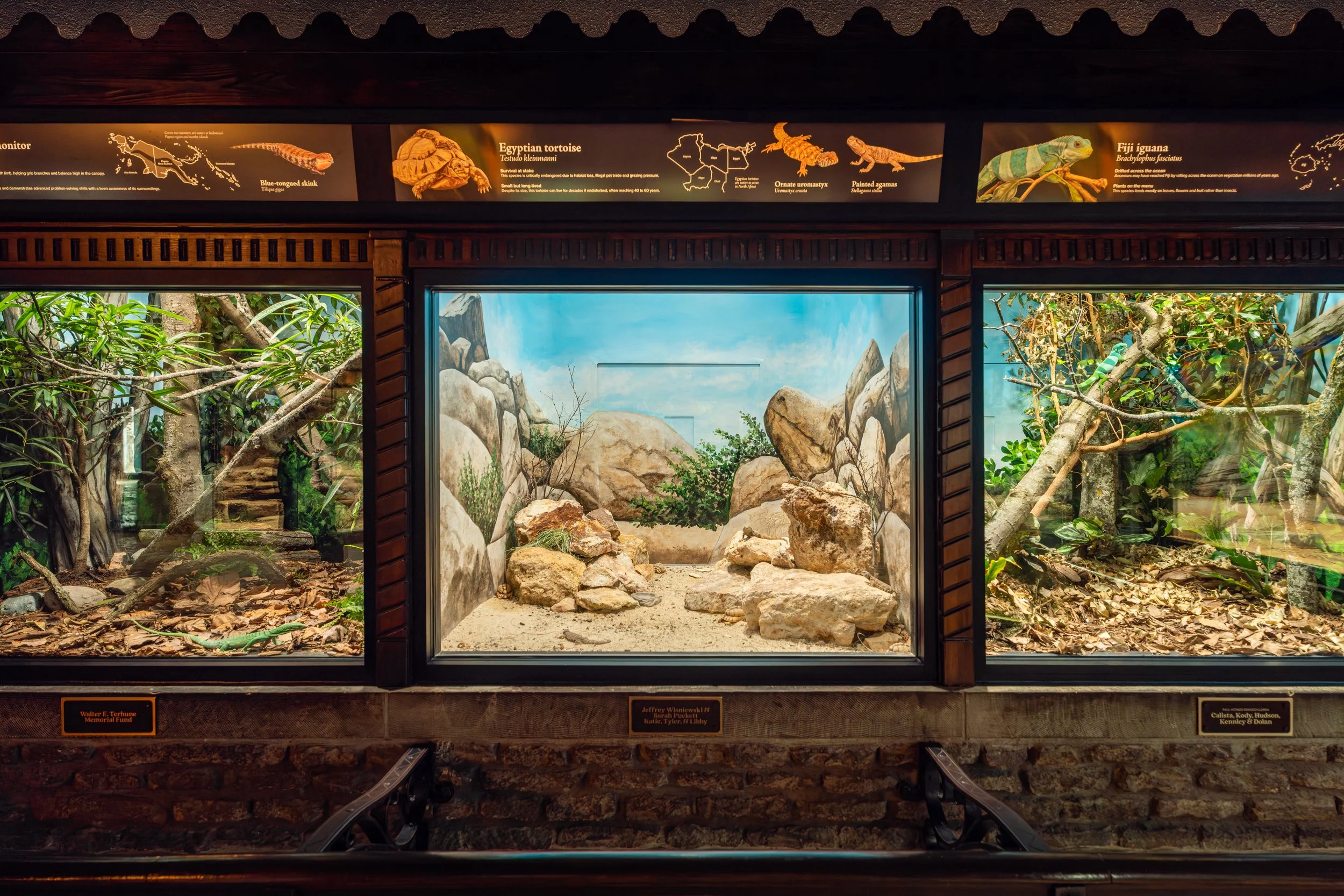
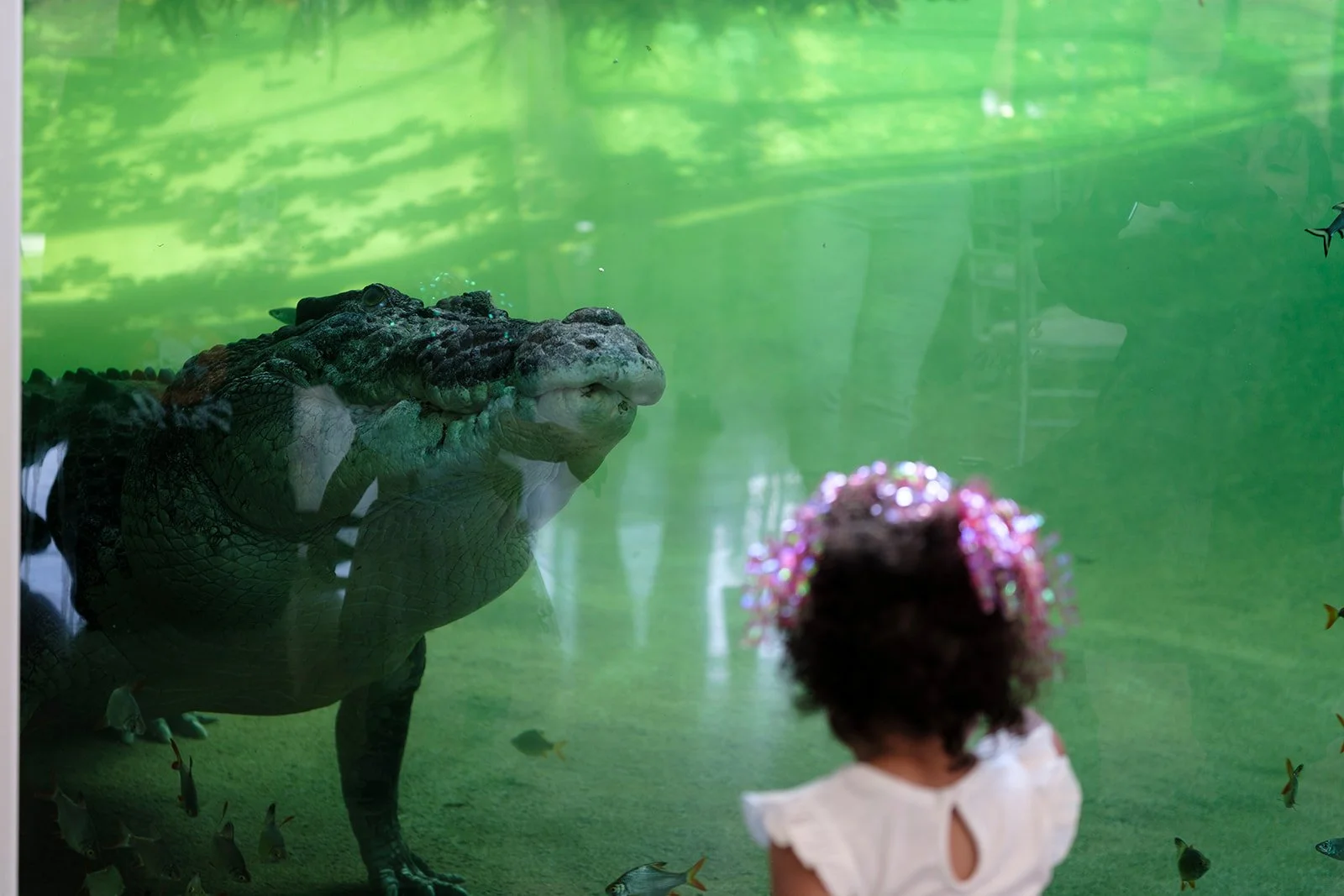
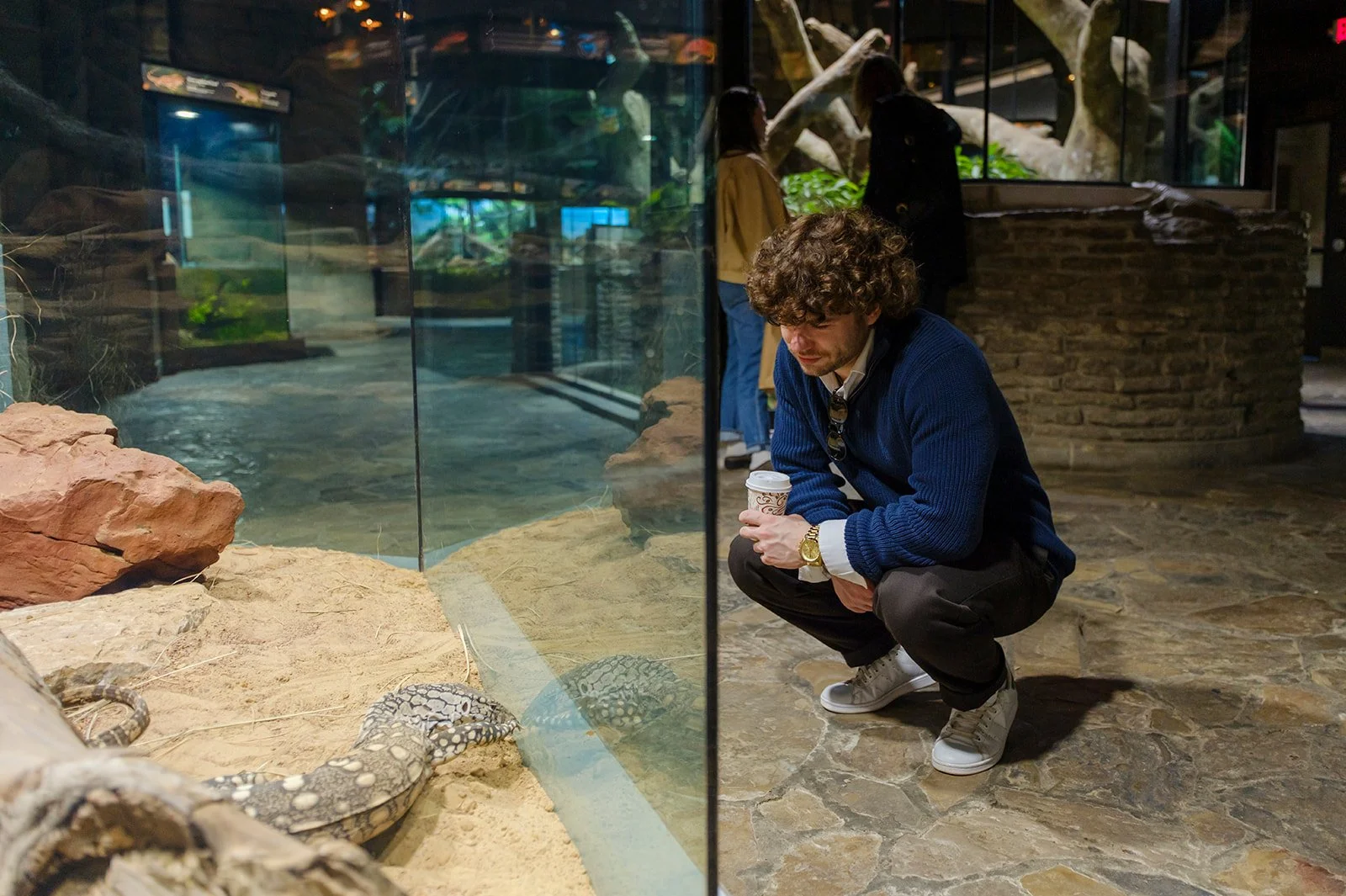
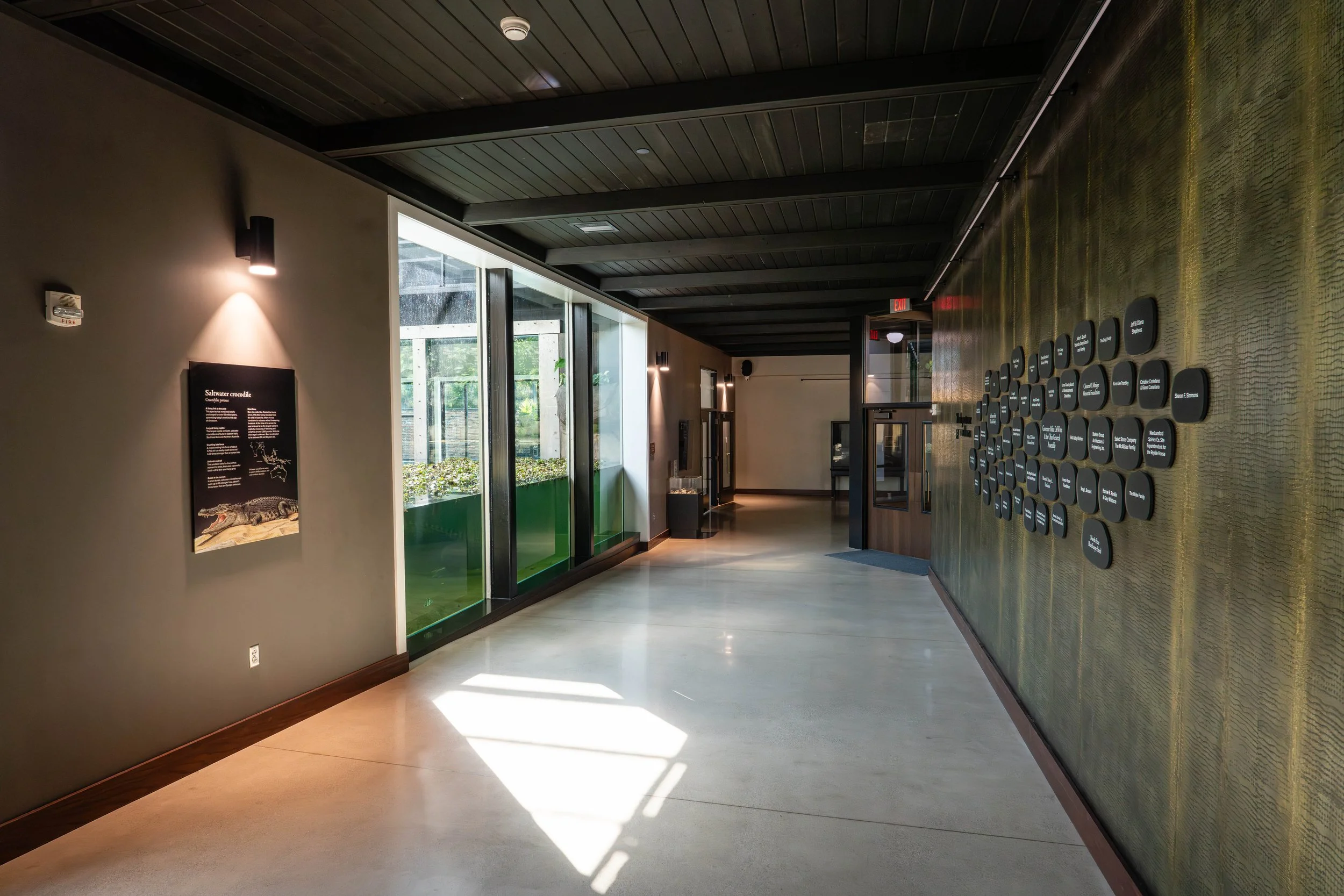
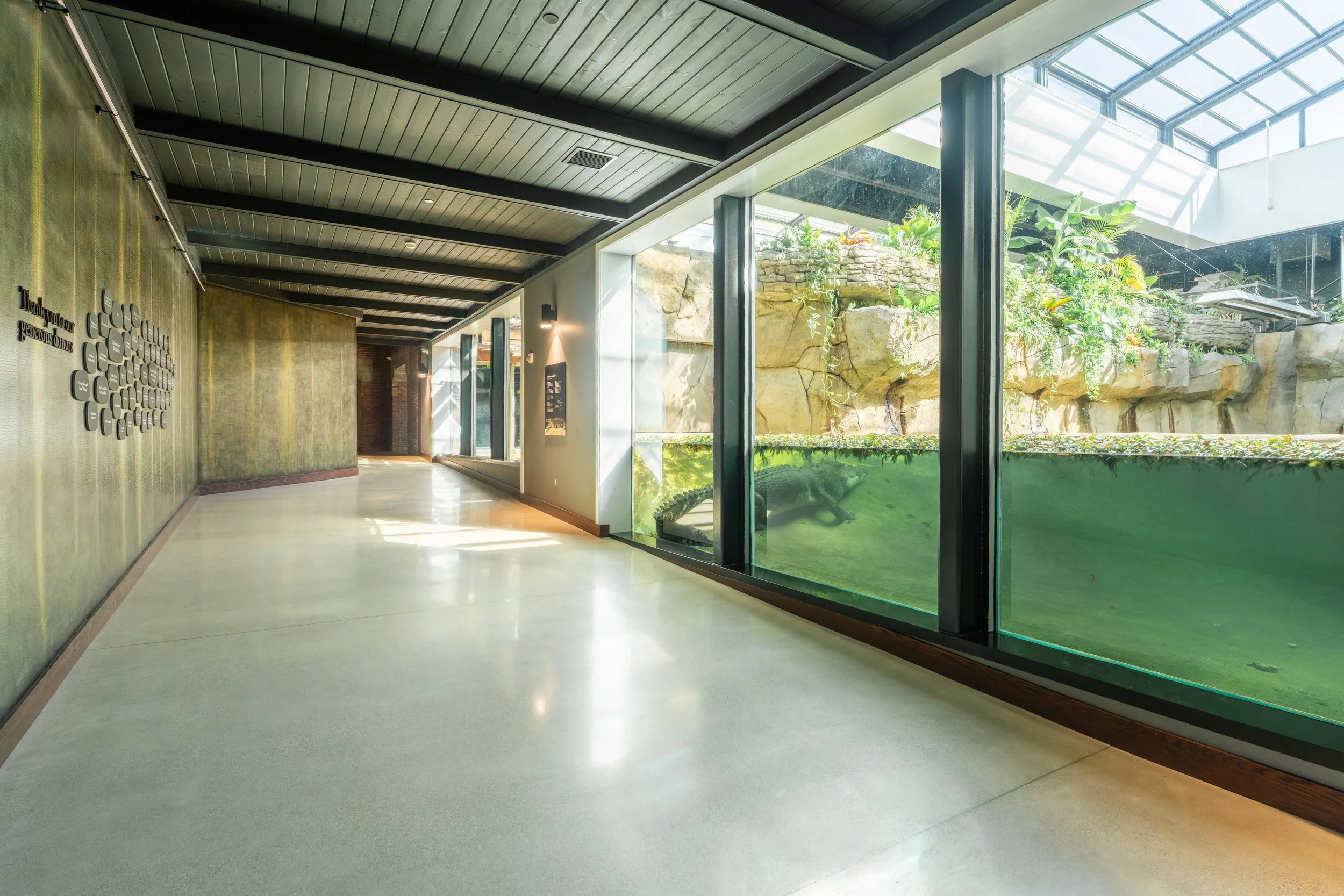
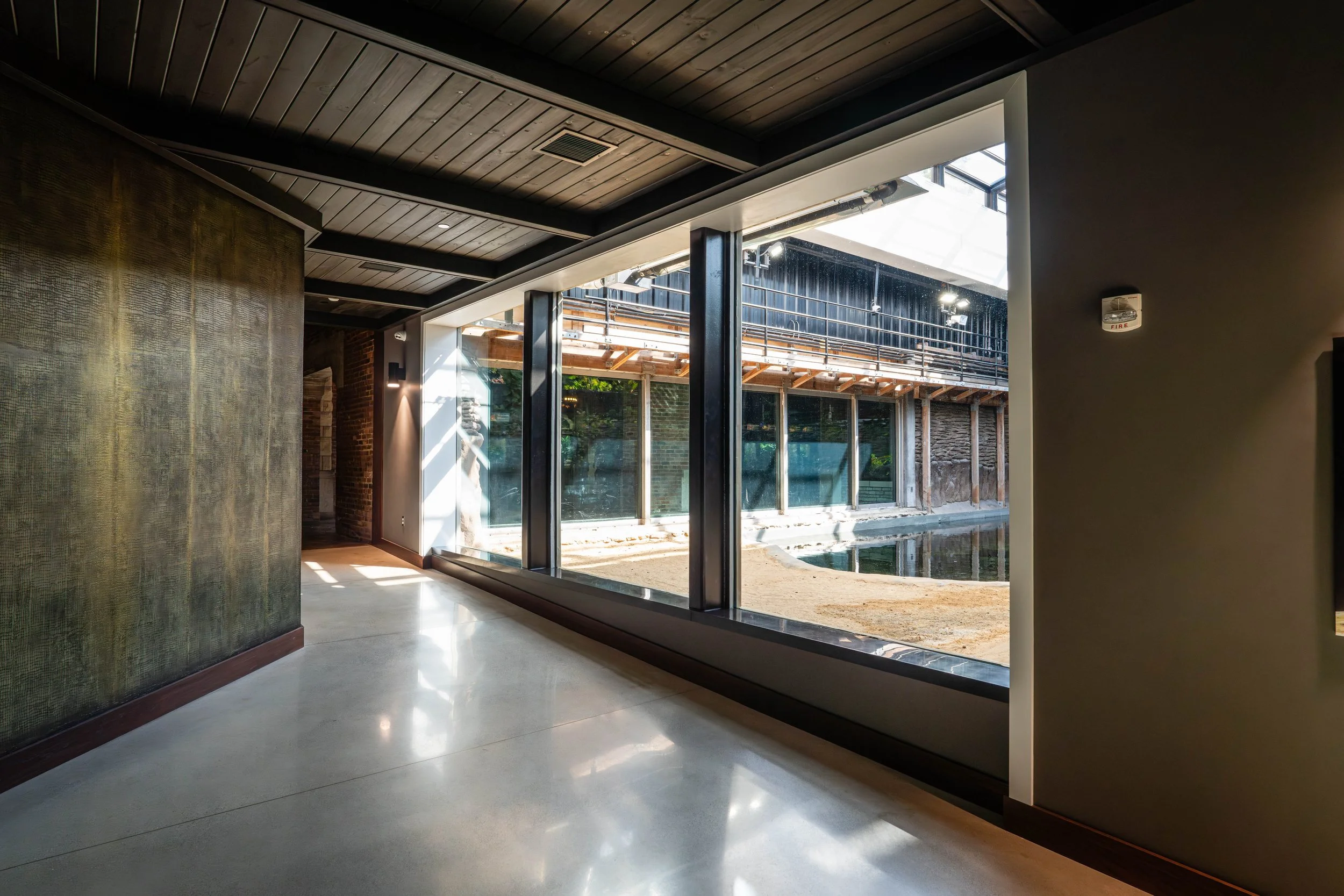
Inside, the renovation reimagines the relationship between guests and the animals. Existing exhibits were expanded and reconfigured to provide larger habitats, improved sightlines, and more dynamic opportunities for viewing reptiles and amphibians. Animal care areas were upgraded alongside the public exhibits, allowing the facility to better support contemporary husbandry, training, enrichment, and veterinary needs. A centerpiece of the transformation is an expanded habitat and holding area for Baru, the Zoo’s saltwater crocodile, creating new opportunities for both animal care and guest engagement—including underwater views that allow visitors to experience the crocodile from an entirely new perspective.
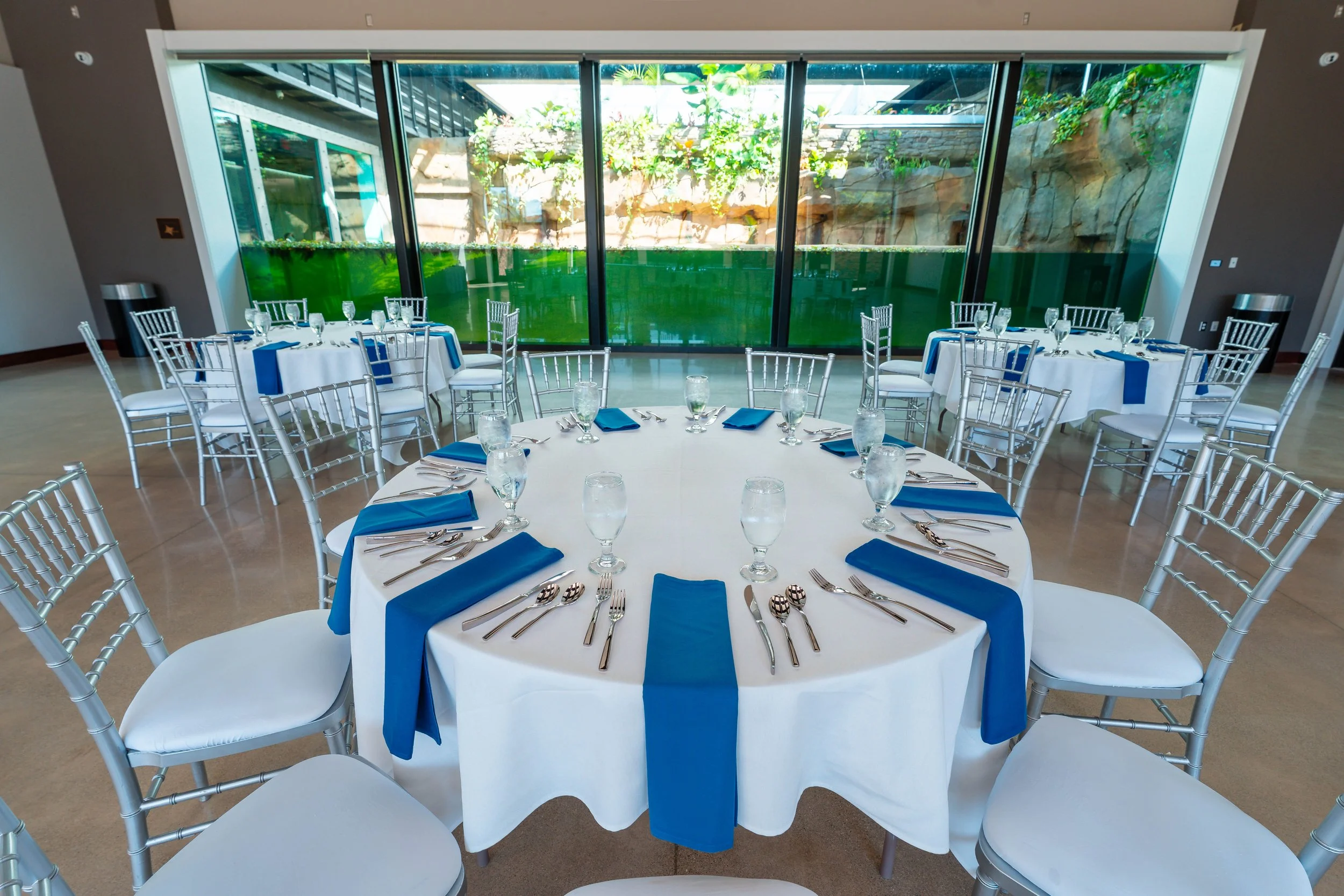
A new addition, the Lanterman Family Atrium, extends the Reptile House beyond its original footprint and creates a flexible gathering and event space integrated directly with the animal experience. The atrium provides unique underwater views into the crocodile habitat while creating a venue capable of supporting educational programs, private events, and other Zoo activities. Throughout the project, new construction was carefully integrated with the historic structure, allowing contemporary interventions to complement rather than compete with the character of the 1930s building.
The completed Reptile House represents a balance between preservation and reinvention. Rather than simply restoring a historic building, the project establishes a renewed environment for animals, keepers, and guests—one that respects the facility’s nearly century-long history while embracing the future of zoological care and education. The result is a revitalized Toledo landmark that brings visitors closer to some of the world’s most fascinating reptiles and amphibians while ensuring that the Reptile House remains an important part of the Zoo for generations to come.